

“Making Sense of Bioethics” Column by Father Tad
Father Tad Pacholczyk writes the “Making Sense of Bioethics” column, which appears in diocesan newspapers across the country. Bioethics is the study of the ethical concerns arising from advances in biology and medicine. Its task involves distinguishing between morally appropriate and inappropriate uses of biotechnology and medicine. Bioethics pioneer Paul Ramsey once noted that for a man of serious conscience, “there may be some things that men should never do. The good things that men do can be made complete only by the things they refuse to do.”
Many columns are also available in Spanish (El Sentido de la Bioética) and in Polish (Sens Bioetyki).
For subscriptions to this series and more recent columns, please visit the official website for Father Tad.
Latest Column
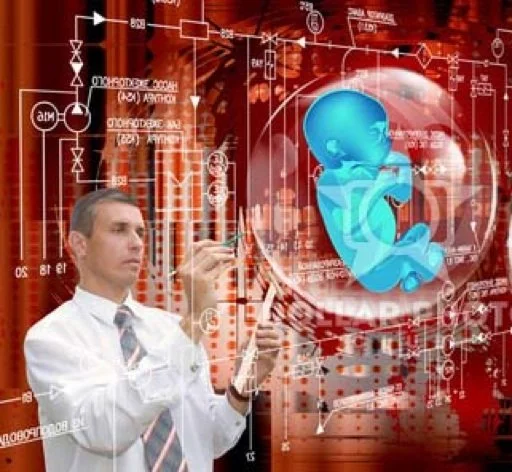
Now is the time [for] serious reflection on the moral and ethical issues involved in genetic modification of human embryos…
Now is the time [for] serious reflection on the moral and ethical issues involved in genetic modification of human embryos…
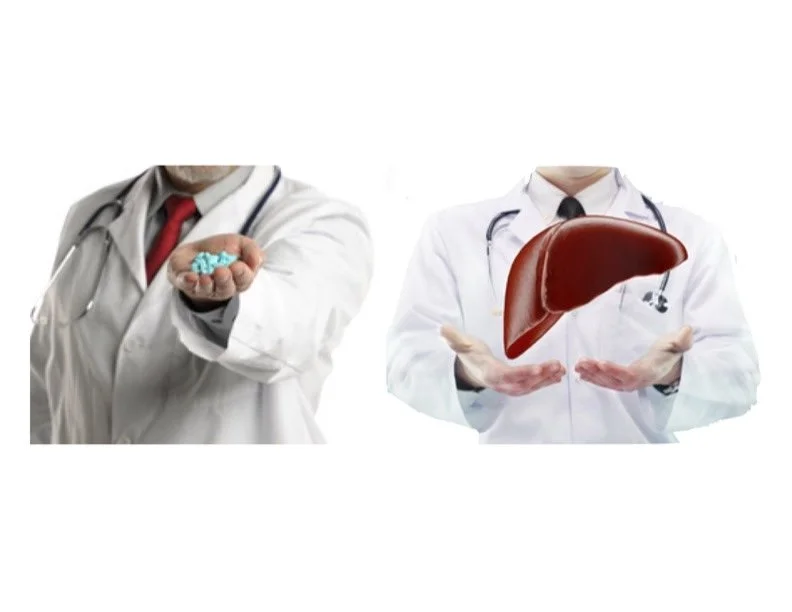
These examples involving suicide and organ donation remind us of the ease with which we can be drawn into cooperating with evil in the name of doing good.
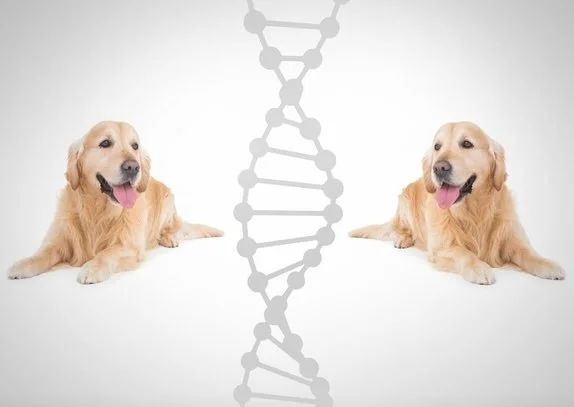
If animal cloning becomes widespread, as seems likely, it may have the subtle effect of shifting our attitudes and perceptions towards the animal kingdom.
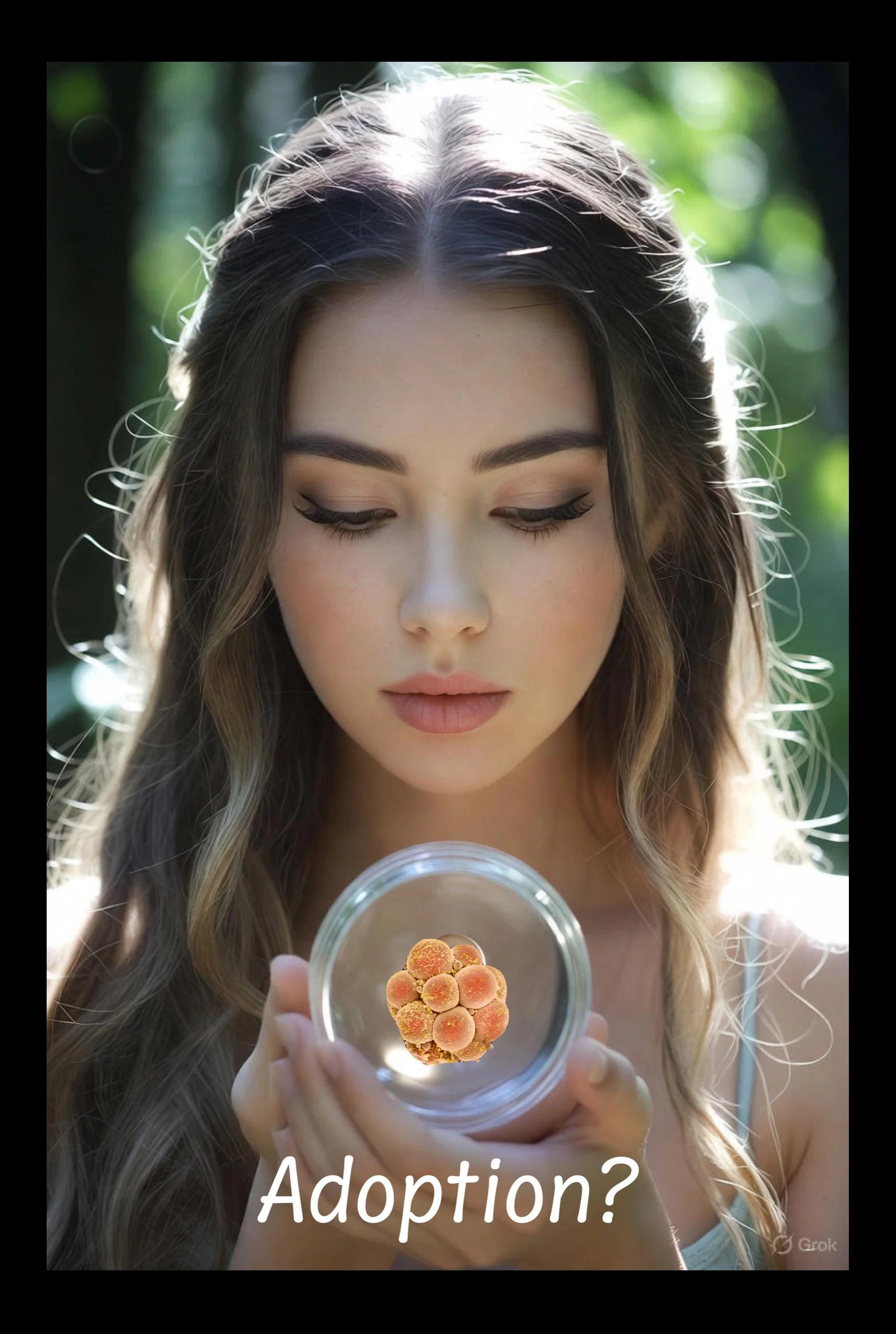
Key magisterial texts indicate that the practice of embryo transfer involves fundamentally unethical actions.

“Lawmakers ought not ‘provide legal cover in the form of “immunity from prosecution” for medical personnel who participate in various unethical practices.’’’
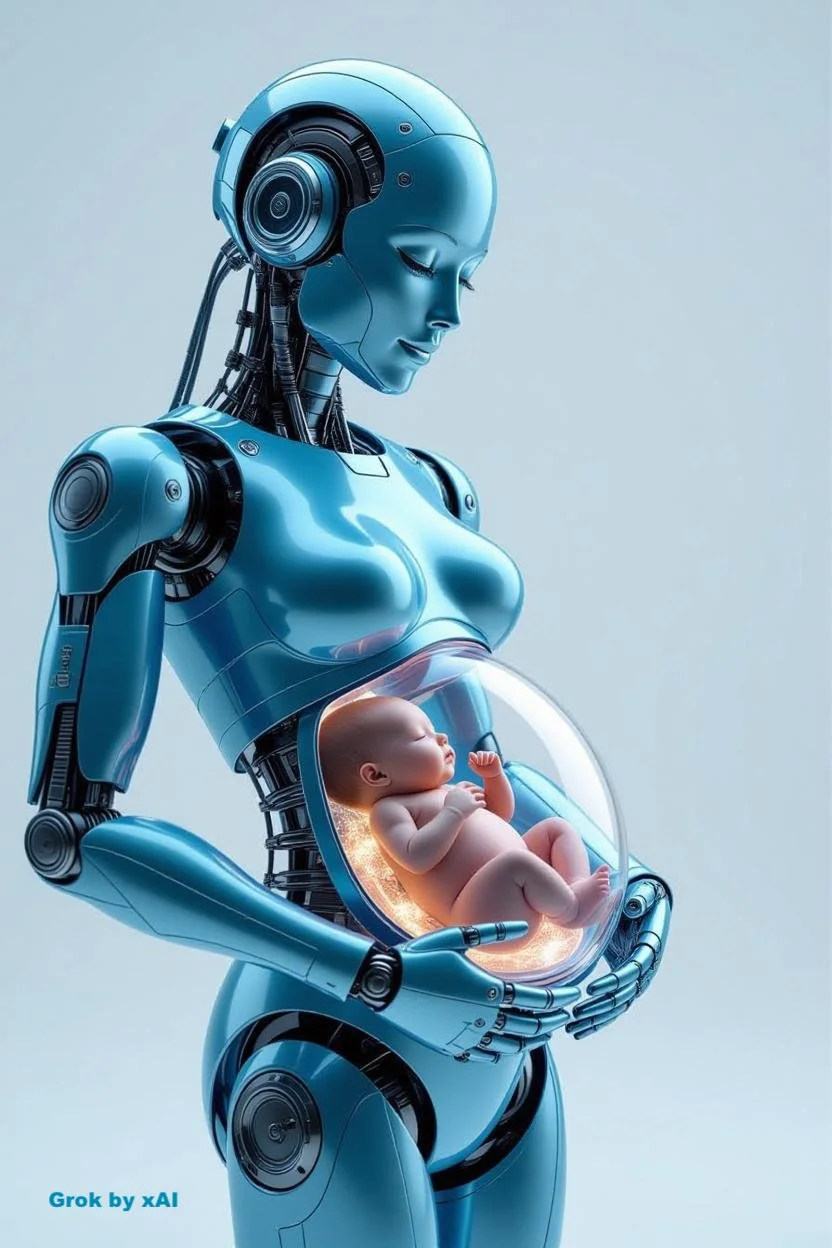
It remains profoundly unethical to generate new life in test tubes, pregnancy robots, or other devices.

Coming to accept our situation, with all its ups and downs, helps us begin preparing for our earthly end, death itself, prompting us to take up core questions about life’s meaning.

Even if de-extinction efforts do not seem to cross fundamental ethical lines, it behooves us to try to be clear, open, and ecologically-rigorous about the purposes, motivations and goals that undergird these endeavors.

It is precisely those metaphysical and spiritual beliefs surrounding yoga that raise concerns for faithful Christians.

Given the moral objectionability of IVF, the administration should seek instead to forbid the practice through statutory mechanisms, or, if that is not yet politically possible, limit and circumscribe the practice by bringing it under tight regulation and oversight.

We are being cajoled as a society into believing the contradiction that ‘death with dignity’ means killing ourselves, or letting someone else kill us.

Catholic hospitals may never condone or participate in... the range of practices coming under the heading of “gender transition.” This is especially important when these involve offering puberty blockers, cross-sex hormones, "top surgeries" and "bottom surgeries” to children and young people.

Cannabis use during pregnancy and lactation raises the prospect of adversely affecting not only neurodevelopment, but also subsequent neuropsychiatric, behavioral and executive functioning of the child.

... we should generally prefer a natural explanation for a phenomenon, unless and until the evidence for a supernatural explanation becomes truly compelling or overwhelming.

In considering our own death, we may entertain a strong wish that there be no more sufferings on the other side, especially when it comes to justifying our decision to engage in physician-assisted suicide. Simply having such a wish, however, does not actually make it so.

IVF involves at least two major moral problems —the ‘collateral damage problem’ and the ‘intrinsic problem.

Surrogacy involves a form of “trafficking” of children, implying that children are being bought and sold, treated as property and often transported across international borders, which, all in all, sums up many contemporary aspects of surrogacy.

Brain-Computer Interfaces could offer important medical and therapeutic uses in the future, they also are poised for dubious or clearly immoral uses.

Our DNA and our genetic code contains important personal information about us. This means that our individual ‘bio-informatics’ should not be used or brokered by others without our awareness and consent.

Sex touches us at a deeper level than other activities, binding us to another. It speaks a language not of autonomy, but of communion and enduring self-gift.
A great deal is at stake in these kinds of synthetic embryo experiments that threaten to manipulate and destroy human life.

Setting a moral vision for one's children can be a Herculean task requiring enormous dedication.

We need to care for them in a more truthful way — accompanying, supporting, and helping them to address underlying issues — so they can begin to find real healing.

Even to be “slightly alive” is still to be alive. If the language of the UDDA ends up being changed to allow for a declaration of brain death even with continued hypothalamic functioning, individuals who are not-quite-dead will be treated as if they were already dead.

When young women immodestly display their feminine attributes and participate in pornography, they end up objectifying themselves, trivializing their sexuality, and harming their interpersonal relationships.

We can ask whether alkaline hydrolysis or liquification of the human body meets the standard of reverent treatment of our earthly remains.

We need to “lovingly support our family members through the dying process and to make careful and morally correct decisions on their behalf as they decline in health.”

As the symptoms and complications of dementia unfold, the challenges we face from the disease can unexpectedly become an invitation from God.

Although these powerful psychoactive substances can be abused for their hallucinogenic/psychedelic properties, several strategies can help assure their therapeutic use in an ethically-sound way for the treatment of mental illness.

Cultivating a chaste heart demands a deep prayer life, strong spiritual support, and good fellowship, not to mention frequent reception of the sacraments…
Search the Archive: July 2005 to July 2026
Topical Index of Columns
Click any topic, below, to open a new tab with all of Father Tad’s columns on that topic.